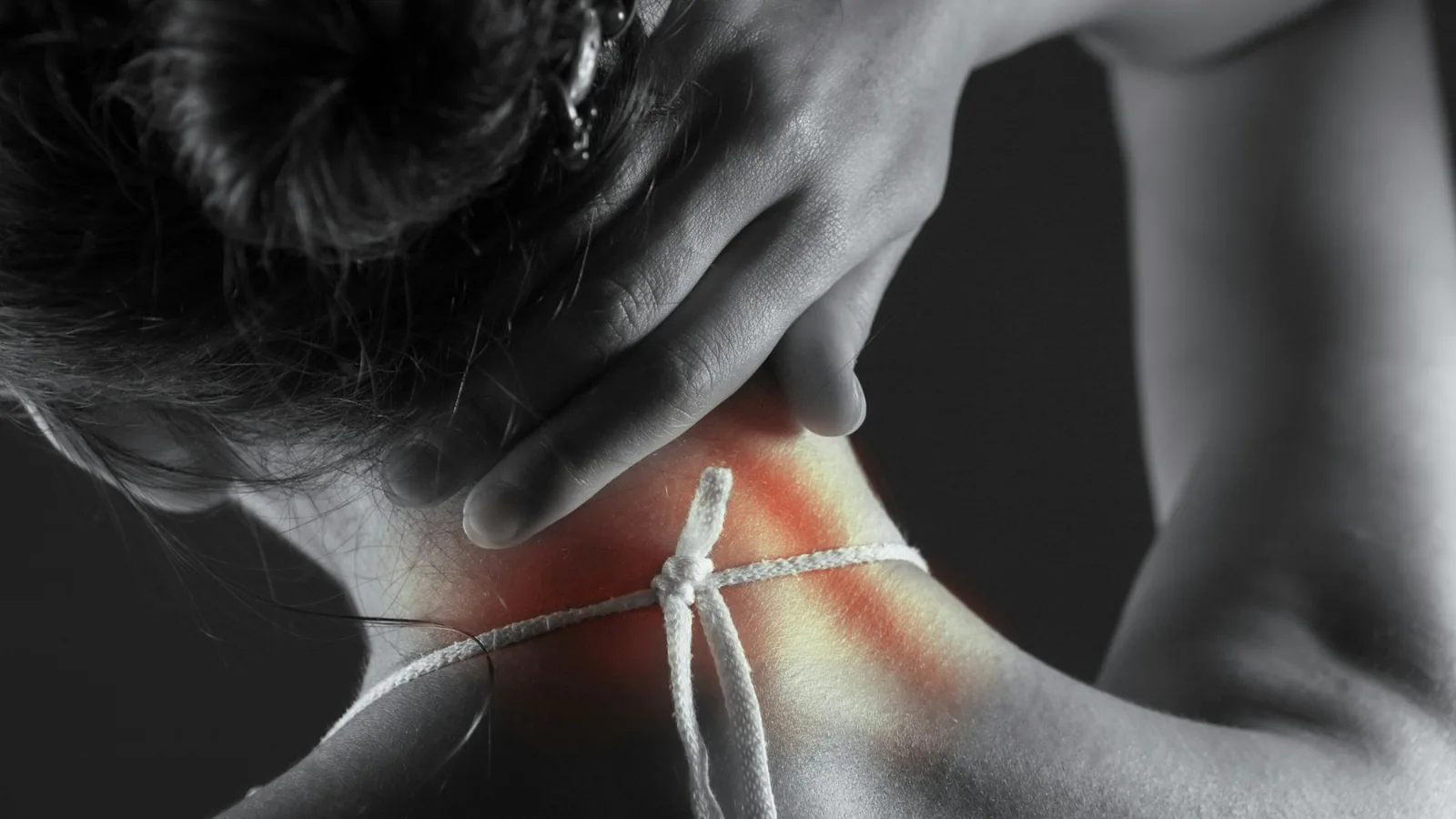
Pain when dancing deserves attention. Its intensity alone does not tell us what is happening in the tissues. The International Association for the Study of Pain describes pain as a personal experience shaped by biological, psychological and social influences. Personal does not mean imaginary or arbitrary. Pain and the processing of potentially harmful stimuli are not the same. An outside assessment therefore cannot replace what someone reports. For a dance partnership, this means an aching arm need not look visibly injured for that report to deserve respect. It does not, however, establish a diagnosis.
When does an injury develop?
An injury does not always require a single accident. In a bone stress injury, repeated loading can overwhelm ongoing remodelling and repair. The orthopaedic association AAOS describes symptoms that initially occur mainly during activity and may later affect everyday life. An early X-ray may still look normal. Recurring pain in the same place is therefore no reason to try further jumps to discover what the bone can withstand. Establishing whether this injury is present, and which examination is needed, requires medical assessment. This example describes a possible progression, not a self-test.
What stays hidden on the dance floor?
Whether someone is still dancing also gives researchers an incomplete picture. In a study of 91 contemporary dance students, 17 reported ankle complaints within an academic year. Fourteen could not participate fully on at least one subsequent day; eight consulted the university medical team. The picture therefore changed depending on what the researchers counted. Reports, mostly supplied by students themselves, were not uniformly medically confirmed diagnoses. These figures describe the training cohorts, not recreational dancing. They raise a question for anyone observing a dance group: which complaints remain unseen if only complete absences attract attention?
Speaking about complaints also has a social dimension. An Australian survey of 146 professional dancers recorded concerns about casting and contracts, among other issues. Sixty-five said they would continue dancing carefully if they suspected an injury. These were answers to a hypothetical question, not observations of subsequent behaviour. The study therefore cannot explain why a particular person remains silent, nor does it represent an entire dance scene. It does suggest why simply asking “Why didn’t you say anything?” may miss something. Reporting involves expectations and possible consequences, not just the ability to notice pain.
What needs professional assessment?
After an acute injury, severe or increasing pain, substantial swelling or an inability to bear weight on the leg warrant prompt medical assessment. A visible deformity, numbness, or an injured body part that is unusually cold or blue-grey calls for immediate medical help. Stop dancing and seek medical help in these circumstances. The examples concern acute injuries; they do not cover every possible condition. Even without them, complaints that worsen or fail to improve deserve assessment. This list is neither a diagnostic tool nor permission to continue training.
The course of symptoms matters: where is the pain, when did it start, what loading brings it on, and what has changed? The IOC sports medicine consensus combines this history with examination and individual assessment of function. Its recommendations concern elite sport; they provide no fixed pain score permitting dance. Describing the movement or duration of activity that causes difficulty helps make the consultation specific. If expected improvement does not occur or pain changes markedly, reassessment is indicated. Health risks belong in decisions about continued participation, including when a performance is approaching.