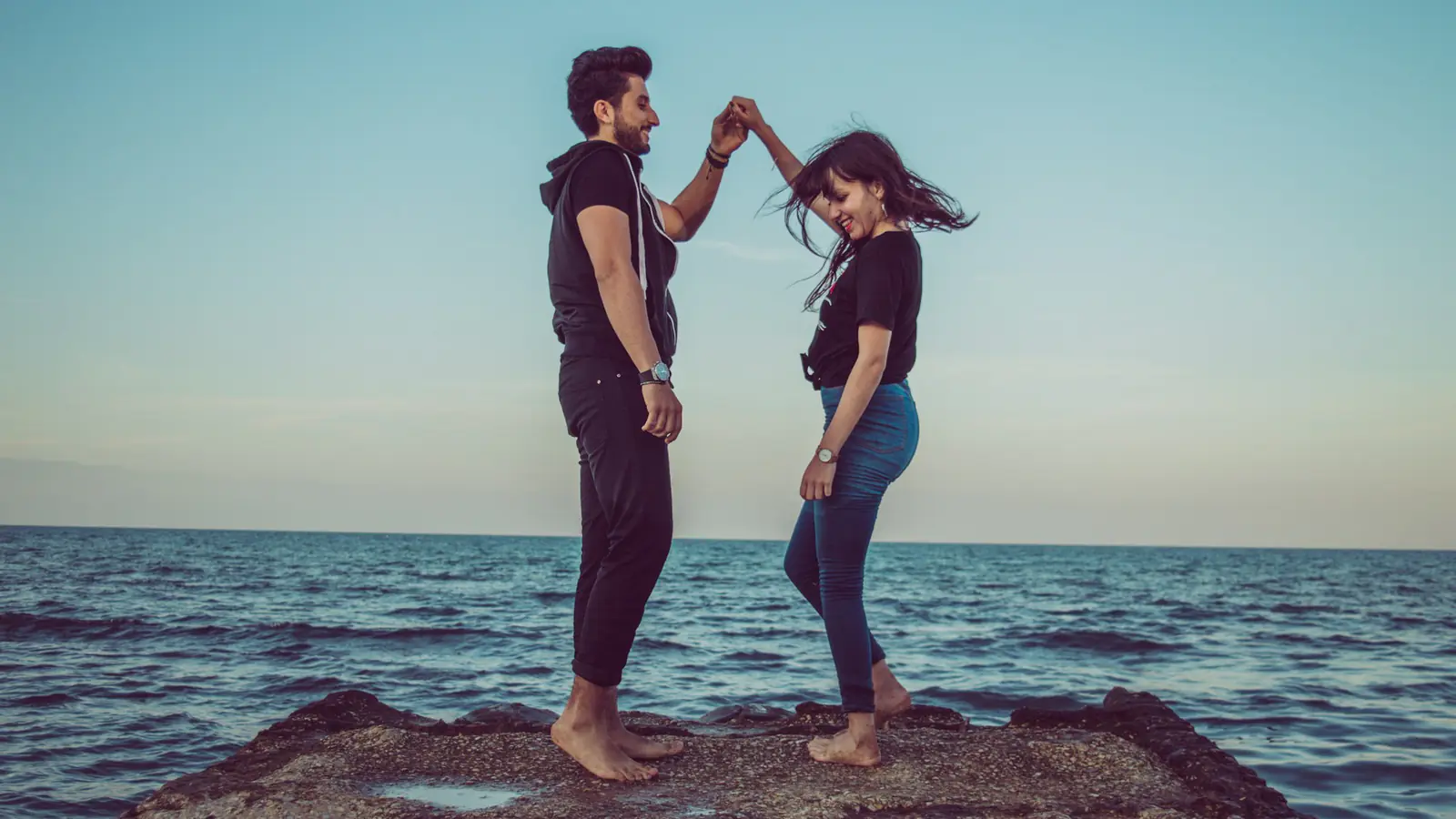
A dance programme for people with chronic conditions can be considered from two angles. What kinds of movement and shared experience does it make possible? And what do we know about its effects on health? These questions belong together, but require different answers. Looking at two documented programmes makes that distinction more tangible.
Dance for PD: an artistic starting point
Dance for PD is a Mark Morris Dance Group programme for people with Parkinson’s. Family members and care partners can join too. No previous dance experience is required. Specially trained dance teachers use music and a variety of dance styles, with movements available both seated and standing.
Participants can adapt movements, slow down or leave something out. This leaves room to shape the dance in their own way. Musical expression remains part of the experience, including while seated.
A study published in 2023 examined a twelve-week programme based on Dance for PD in 33 people who could walk independently and had mild to moderate Parkinson’s. Compared with usual care, some walking measures improved, including walking speed on level ground; results on uneven ground were mixed. Participants were only partly assigned to groups at random. This small study provides evidence about particular walking tasks. It establishes neither slower disease progression nor a general effect of all Dance for PD classes.
Breathe Easy Darlington: developing a programme together
Researchers, dance facilitator Siân Williams, an exercise instructor and group members developed a programme for chronic breathlessness in Darlington. Familiar music, seated and standing dancing, and pauses shaped the sessions.
Williams brings together two professional perspectives. Her background includes consulting in respiratory health and work in the NHS. Her arts experience includes tour management for London Festival Ballet. She also trained in dance facilitation for older people. In 2017, she approached her local Breathe Easy group in London for a choreography project. Her route into this work therefore combined healthcare organisation and artistic practice. Her stated ambition is to make people living with long-term respiratory problems more visible.
The pilot study, published in 2020, included ten people; seven attended the final assessment. Participants reported enjoyment and companionship. There was no control group, and other exercise activities continued. A separate health effect of dancing is therefore unproven. Specific lung diagnoses were not collected, at participants’ request; the group cannot be assigned to one particular disease.
Today, Breathe Easy Darlington describes a broader programme called BE Active: adapted exercise, seated dancing, relaxation and a shared tea break. Vic from Vixi Wellbeing Support leads the sessions, which welcome members and carers. The provider describes them as follow-on exercise after pulmonary rehabilitation. This current setting should not be equated with the studied programme.
Labels such as “dance for health” offer little basis for comparing programmes fairly. The artistic choices, the professionals’ different roles and participants’ contributions also deserve attention. A precise account can recognise that work without turning a rewarding shared experience into a medical finding. That leaves room for both: enjoyment of dancing and careful questions about the research.