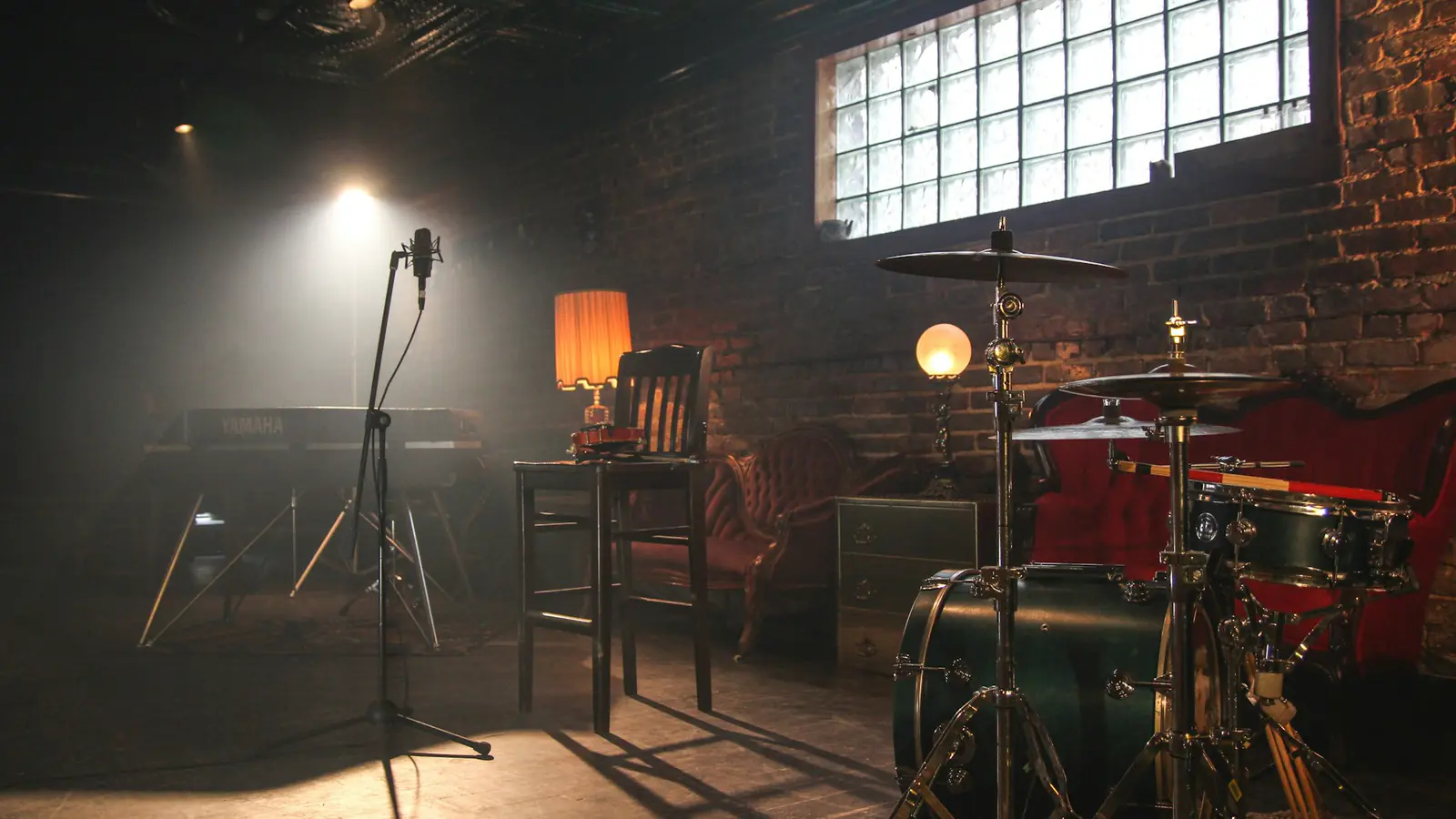
A familiar piece begins, but this performance is new. Live musicians do not simply recreate the recording you may have in mind. How much remains open depends on the ensemble and its arrangement, however. Tango musician and dancer Alex Krebs describes both freer playing from a musical framework and fully written arrangements. Live therefore does not automatically mean that everything is improvised. For your dance, the version being played remains the point of reference: even a familiar composition may unfold differently tonight.
What comes together within the band
That freedom needs coordination. Tango musician Maggie Ferguson describes how her ensemble develops a shared idea of a piece by playing, discussing and listening together. Within that understanding, solos can allow individual expression. Dancers hear the resulting interplay: one instrument comes forward while others support its line. An individual voice emerges within a shared musical task. When you respond to such a change, you are responding to a decision involving several musicians.
Selection also responds to the particular dance floor. Swing bandleader Jonathan Stout explains that he chooses differently for a predominantly Balboa audience than for a Lindy Hop event. He considers dynamics and musical energy alongside tempo. This is his own approach, rather than a universal rule for these dances. It makes a useful distinction visible, however: two pieces at similar speeds can feel different. Playing for dancers therefore also involves decisions about instrumentation, character and variety across the evening.
How feedback can travel both ways
The dance floor can contribute something to the music in return. Patricio “Tripa” Bonfiglio describes the milonga as a place to try new arrangements with dancers. Musicians play a new version and experience how people dance to it. For him, those observations are part of working on the music. This does not oblige dancers to affirm the band through a particular response. It describes a specific working practice: an arrangement meets the people whose dancing it is intended to accompany.
Christopher Annen of AnnenMayKantereit also describes how immediate such feedback can feel. In his account of concerts, people take up a song by singing along and make it their own; the band experiences their responses directly. This is a pop concert perspective, rather than research on partner dancing. It shows another form of participation: voices from the audience can help an evening develop too. The participation that fits a particular event depends on its musical and social setting.
Research has also examined differences. A team led by Dana Swarbrick compared head movements in a total of 49 seated people hearing live and recorded rock music. Across seven unfamiliar songs, the live group moved their heads faster on average. There was no statistically clear difference in alignment with the beat. This does not establish better dancing: the participants were not dancing in pairs. Visual cues, time of day and musical performance also differed, among other factors. The experiment therefore cannot fully separate the band’s presence from these other conditions.
Your own evening can also leave room for listening. Owen and Emily-Rose of tango ensemble Tángalo distinguish between playing for dancers and playing for an audience that is listening. Emily-Rose also describes people participating differently at the same event: some dance, while others sit and listen. Both can have a place. You might dance a passage together and later follow an instrument from the sidelines. Whether a suitable place and moment are available is something to judge at the particular event.