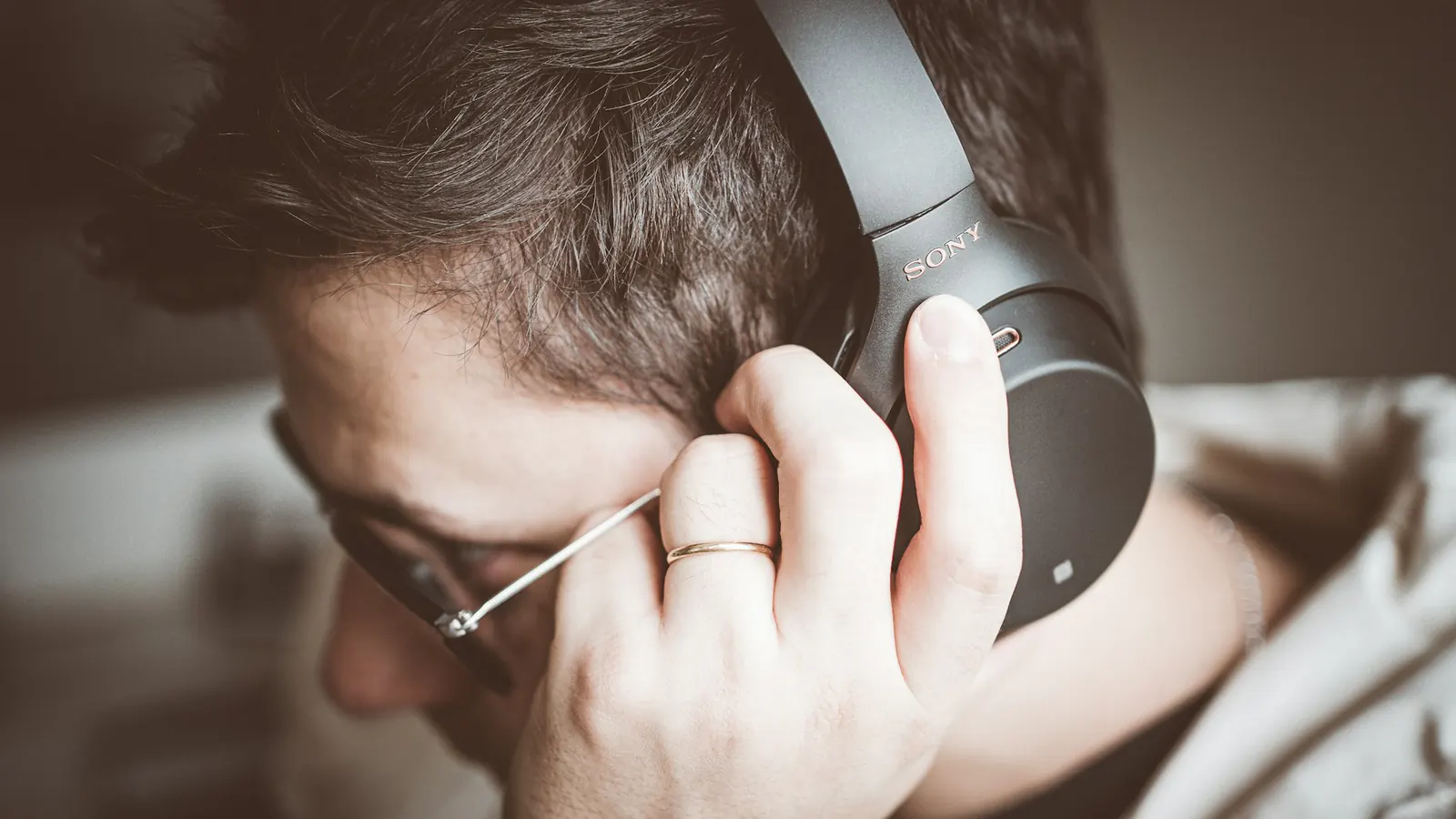
An explanation in a dance class can be hard to understand even when you can clearly hear the voice. Background noise and reverberation affect how well individual words come through. Sound reflects off surfaces in a room, causing it to linger. When speech, music and conversations overlap, listening becomes harder. Pausing the music and letting other conversations stop can therefore help during an explanation. This first changes the listening conditions in the room. Whether you can already perform the movement being described is a separate question.
What a decibel number means
Sound levels in decibels follow a logarithmic scale. Raising the sound intensity level by roughly three decibels corresponds to about twice the intensity; ten decibels means ten times the intensity. Here, intensity means sound power per unit area. These are physical relationships, rather than a direct description of your listening experience. Perceived loudness also depends on frequency. Turning the same music up a little can therefore change sound exposure more than a small numerical difference might suggest. A decibel value cannot be read as a percentage.
Alongside sound level, hearing exposure depends on how long and how often you encounter intense sound. Loud music can damage delicate hair cells in the inner ear. Once these cells die in humans, they do not grow back. Changes can develop gradually and initially go unnoticed. Even muffled hearing that later clears does not establish that no lasting damage occurred. During a long dance night, it therefore helps to consider your overall exposure: distance from loud sound sources and less time in loud areas can reduce it.
Conditions for a night of dancing
Organisers can help shape listening conditions. For music events, the World Health Organization recommends measures including monitoring sound levels with calibrated equipment, optimising venue acoustics and sound systems, and providing quieter areas. Other measures include accessible hearing protection with instructions and trained staff. These offer concrete considerations for a dance party: Is there an area that is actually quieter? Who looks after sound levels? Who explains the available protection? These recommendations describe organisational responsibilities. They do not establish that a particular dance night is harmless for everyone attending.
The fit of earplugs helps determine how much sound they actually reduce. A rating on the packaging does not automatically describe the protection achieved in your ear. Some designs for music aim to reduce different frequencies relatively evenly. Finding a comfortable fit that you can keep wearing is an individual matter. Have someone demonstrate correct use and seek professional help checking the fit if you are unsure. Hearing protection complements reducing sound exposure in the venue; choosing earplugs does not make the event’s sound level irrelevant.
A team led by Kathryn Crawford investigated differences in personal attenuation among musicians. Following instruction, 23 people completed hearing measurements using three hearing protection models. The sound reduction achieved varied substantially between individuals. No single model emerged as best for everyone. This small study assessed particular products and their fit; it did not demonstrate the long-term prevention of hearing damage in dancers. When selecting protection, it supports paying attention to the fit actually achieved and to how you manage the device in practice.
If conversations become harder to follow or you notice changes in your hearing, seek a medical assessment. There are several possible causes. Sudden hearing loss in one or both ears, or hearing that worsens rapidly over a few days, needs urgent medical attention. Do not leave it until the next dance event.